

I recently stumbled upon the deeply disturbing world of Pulse on Netflix. This misadventure was entirely accidental and courtesy of the same sinister algorithm that recently served me an advert for a retirement village on Facebook. Pulse is about as far removed from my usual viewing preferences as a braai is from real cuisine. Instead of wit and wisdom, I got wafer-thin characters cracking under the weight of a plot seemingly cobbled together from rejected soap opera scraps. Whatever message it may have hoped to convey was drowned in a glossy puddle of overwrought performances and implausible drama. I didn’t make it to the end of the episode.
It was completely gormless, which irritated me, but what truly pushed me over the edge was how devastatingly beautiful every single character was. Not a hair out of place, not a pore in sight. Watching it felt less like watching a series and more like being trapped inside an advert for moisturiser.
In stark contrast, I’ve recently forayed into the moody, marvellous world of Scandinavian limited series, often penned by my favourite crime novelists. These shows are intriguing, complex, and atmospheric. But what struck me most was this: the characters look like people. Real people. The kind you might spot in a Pick ‘n Pay queue, squinting at a till slip. There’s comfort in seeing someone with normal teeth and functional clothing solve a murder in a modest flat with bad lighting.
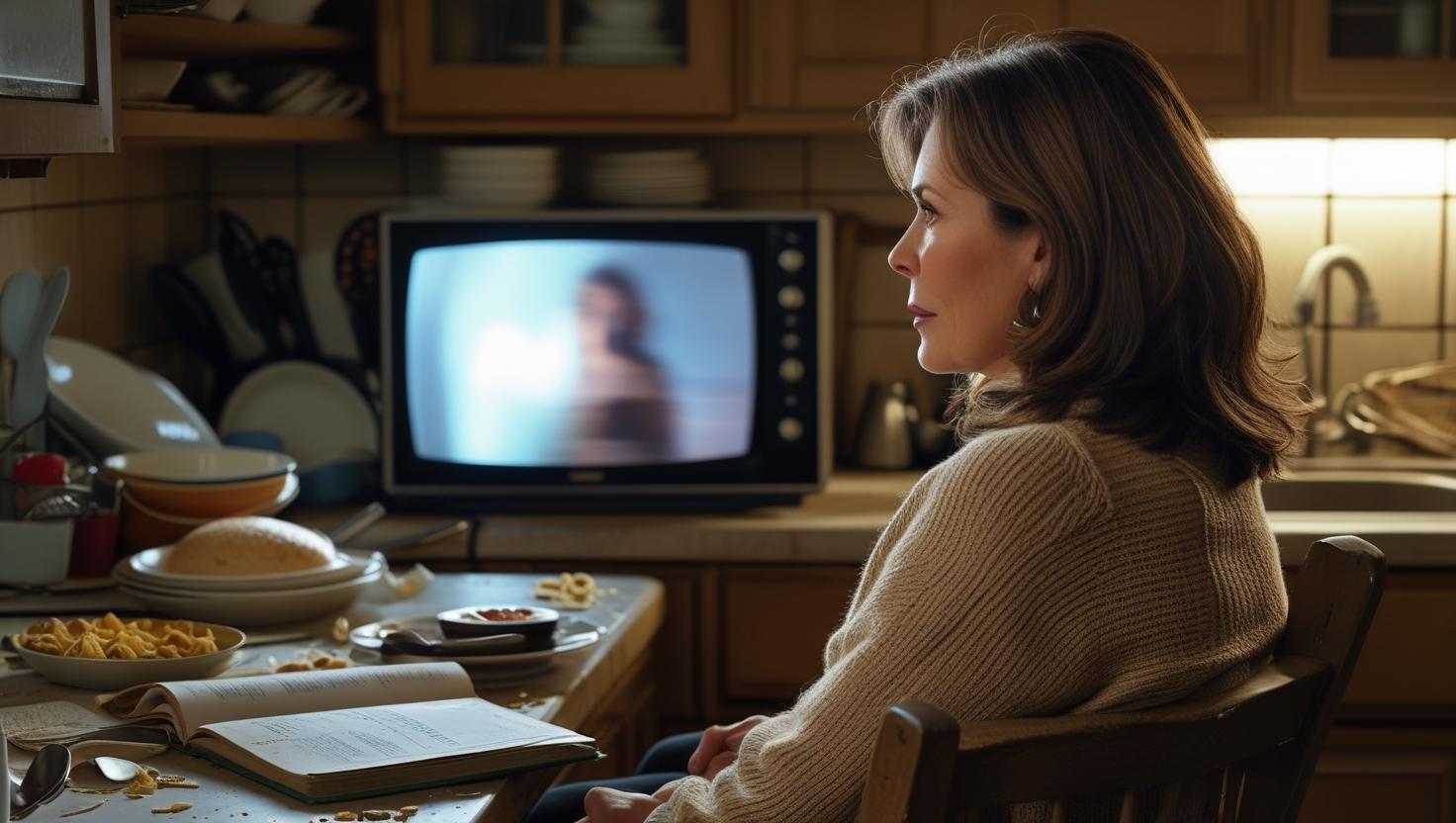
As I studied these foreign gems (purely for sociological research, of course, and not because I was too lazy to cook supper), I noticed that the homes, too, were refreshingly real. No sprawling open-plan kitchens with marble countertops. No minimalist lounges designed by someone named Sven. These were homes with scuffed flooring, mismatched furniture, and entrance halls just as squalid as mine. One detective even apologised for the mess as she opened the door, and I nearly wept with gratitude. My cluttered sideboard suddenly felt like part of a global movement. A resistance, even. A rebellion against the perfection we’re mindlessly served by every American offering.
As a lifelong fan of British humour, I turned in that direction next. And there it was again: people who were attractive enough, but not in an aggressively symmetrical, spray-tanned way. The problems were real. Relatable. People were late, broke, tired, and mildly irritated, just like the rest of us. And it was good.
And so, I’ve drawn an inescapable conclusion: American TV, which still dominates so many of our screens, is slowly eroding our happiness. It fills our heads with airbrushed expectations and flat-packed life lessons. Even the anti-heroes get redemption arcs and dazzling white smiles. It's all the emotional nourishment of processed cheese - shiny, comforting, and devoid of any real substance.
Meanwhile, we’re left standing in our messy kitchens, wondering why our sardonic quips, instead of being met with witty repartee, elicit blank stares, and a family member asking where the mayonnaise is.
But it doesn’t stop at TV. The real rot sets in when this fantasy begins to reshape our expectations of actual life. American television has quietly rewritten our scripts for marriage, friendship, parenting, and purpose, and it’s done this with luscious lies. We expect passion in perpetuity, conflict wrapped in punchy dialogue, and children who learn meaningful life lessons in under 22 minutes. We imagine friendships that are deep and witty without ever experiencing the frustration of being blue ticked. We expect our lives to be cinematic, edited, filtered, scored with poignant music, and when they aren't, we quietly grieve for something that never existed.
The fallout? An epidemic of disappointment. We become disillusioned with perfectly normal relationships because they don’t deliver delightful dialogues. We grow restless because our friendships don’t look like movie montages of exciting adventures. We worry our parenting is failing because our homes aren’t spotless and our teenagers don’t offer tearful thanks in the final scene and they still don’t put their dirty socks in the laundry basket or their plates in the dishwasher. And we’re left with a gnawing sense of failure. We’ve been lied to about what success looks like and what connection means. Sometimes, eating toast in bed while we read our books and argue about whose turn it is to feed the cats is enough. Sometimes, happiness comes disguised as an argument about who gets the lumpy side of the duvet.
It’s time for a healthier televisual diet. One that nourishes us and reminds us that most arguments are unresolved, most days are messy, and most people don’t look like magazine covers. We need stories that validate, not venerate. We ned characters that reflect who we are rather than highlighting our insecurities. I want to see homes with lived-in chaos and lives without absolute closure for every issue. I want faces with real skin and wrinkles!
South Africans know how to protest. So let’s start here. Let’s boycott the oversimplified, overproduced garbage churned out full of inhumanly perfect people with problems that dissolve in 48-minute arcs.
Give me subtitles. Give me clutter. Give me awkward teeth, small kitchens, and unresolved emotional issues. Give me something that looks like real life. Give me messy and mismatched. And maybe then I’ll finally stop swearing at my screen and go and cook supper.