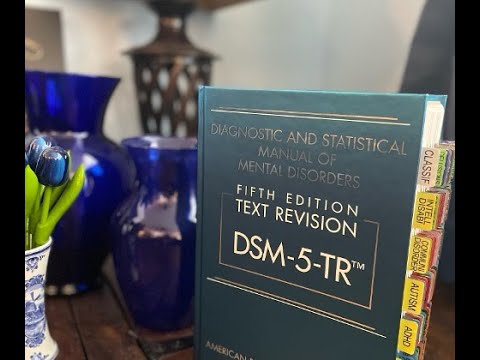

Somewhere along the way, society has decided that the Diagnostic and Statistical Manual, which is essentially the big book of psychiatric disorders, is less a medical reference and more a cosmic Sorting Hat. If you colour-code your socks and feel smug about it, you are categorised into OCD House.
In the grand tradition of human beings making problems infinitely worse, we’ve taken awareness and inflated it like a jumping castle at a birthday party. It’s now wobbly, overstuffed, and likely to collapse on someone who actually needs it.
Three minutes on TikTok will convince anyone that they have OCD because they can’t cope with picture frames that aren’t straight. That’s not OCD, Susan. It just makes you annoying at dinner parties. Real OCD is a living nightmare of intrusive thoughts that make tying your shoelaces feel like a UN peacekeeping mission.
Some people don’t like small talk. Some people prefer cats. Some people think that office karaoke should have been outlawed by the Geneva Convention. That’s not autism. It’s common sense. But in our endless quest to slap labels on everything, disliking crowds has become a sign of neurodivergence, and the DSM has become a personality quiz.
The overwhelming fury when the person in front of you at Woolies takes 11 minutes to pick a packet of baby spinach isn’t a rage disorder. You don’t actually have PTSD from that mother on the WhatsApp group asking, “What time does soccer practice end?” every day since 2015.
It seems that Instagram is leading to more self-diagnosis than WebMD. Everyone is suffering from autism, trauma or possibly reincarnated PTSD from the Anglo-Boer war. Diagnosis has become like Oprah – you get depression, you get depression, everybody gets depression!
What really gets me though is how people are using fabricated or inflated diagnoses as a get-out-of-jail-free card for basic courtesy. If you’re not interested in what someone is saying and you couldn’t be arsed to listen, or you’re late again, just claim ADHD.
Some people blame ADHD for being late or forgetful, but let’s be clear. There’s a difference between neurological chaos and just not caring. Real ADHD makes planning and timekeeping feel like trying to herd cats in a windstorm.
When everyone claims to “have” something, real empathy evaporates. Everyone says “we’re all a bit ADHD”. No, Steve, you just didn’t try and your PowerPoints are a crime against humanity. Then the real sufferers end up being trivialised. When you treat the DSM like a BuzzFeed quiz, you make serious conditions sound like hobbies. And that, frankly, is cruel.
Sometimes being human is uncomfortable. Sometimes you’re anxious. Sometimes you’re sad. Sometimes you alphabetise your spice rack because you’re procrastinating – not because you’re neurodivergent, but because you’re avoiding your tax return. That’s not a disorder.
If we keep giving ourselves diagnoses, the next version of the DSM will need its own wing at Exclusive Books. I can see it now: an entire collection of titles like Eskom Anxiety Syndrome, Pothole Paralysis and Braai Gatekeeping Complex.
Here’s the serious bit – an accurate diagnosis can change a life. It opens doors to interventions and genuine understanding. A fake diagnosis that we have made ourselves wastes compassion, clogs up support systems and makes real suffering invisible. So, embrace your quirks. Line up your pencils. Colour code your socks and straighten the painting on the wall. But don’t call it OCD. Be sad, but don’t call it depression. By all means, go on being an introvert, but that's not the same as autism.
And if you’re still desperate for a personality quiz, go online and decide which Woolies Chicken you are. (I’m peri-peri, obviously).